

No products in the cart.
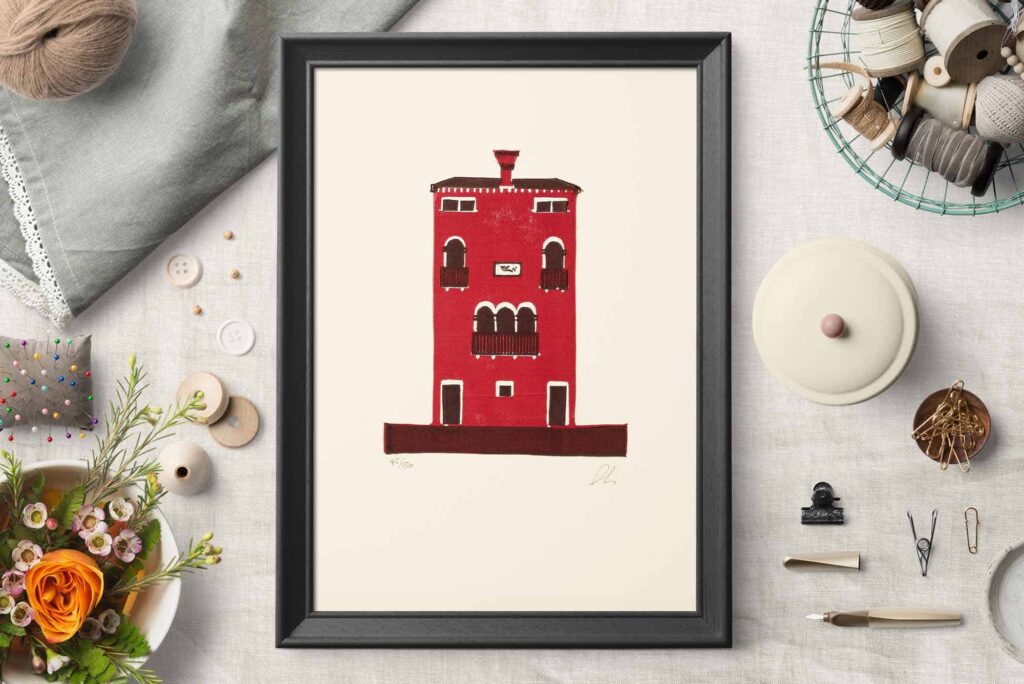
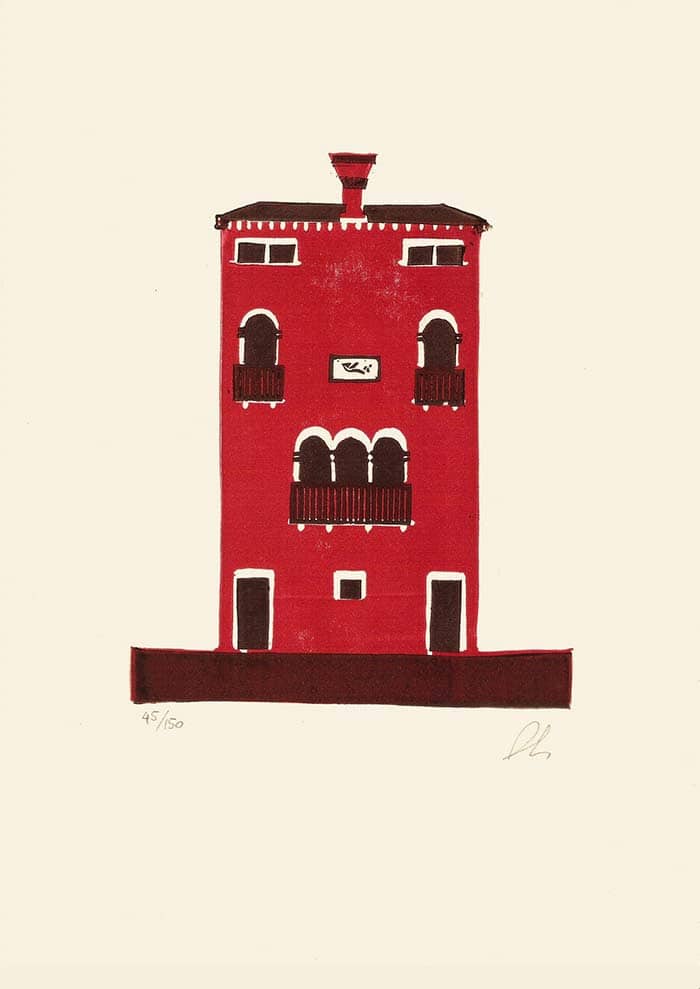
Calle dei Furlani Palace
Palace in Calle dei Furlani, Venice (San Giorgio degli Schiavoni)
A characteristic 16th-century Venetian house with windows placed symmetrically on either side of the three-light window on the first floor. The original interior layout has been preserved. There are two staircases: one for the first floor and another for the two upper floors, which form a single apartment.
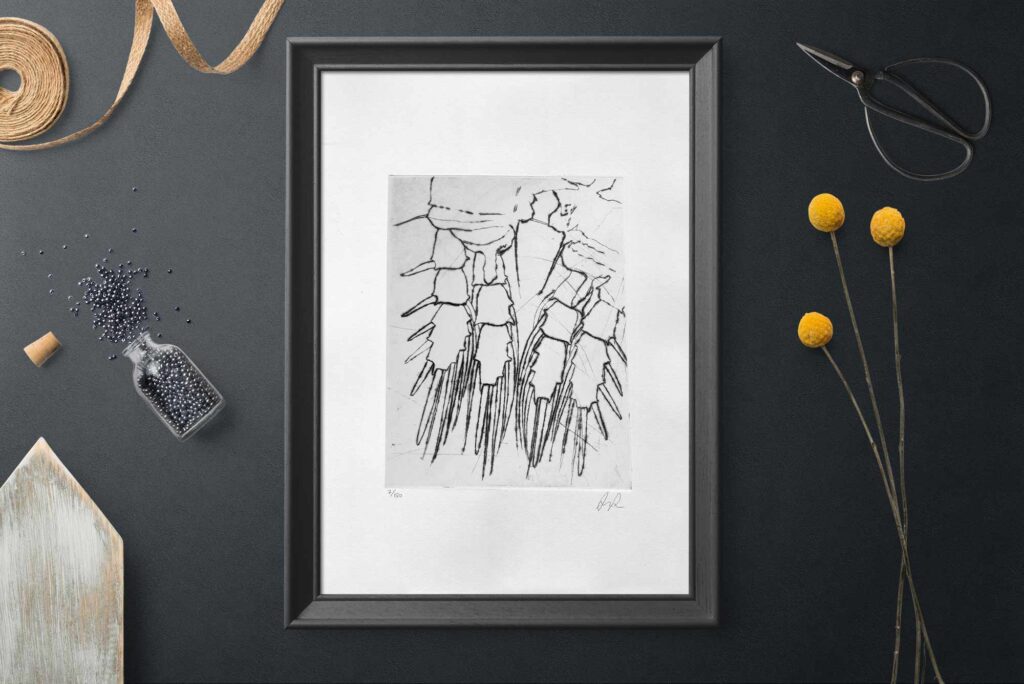
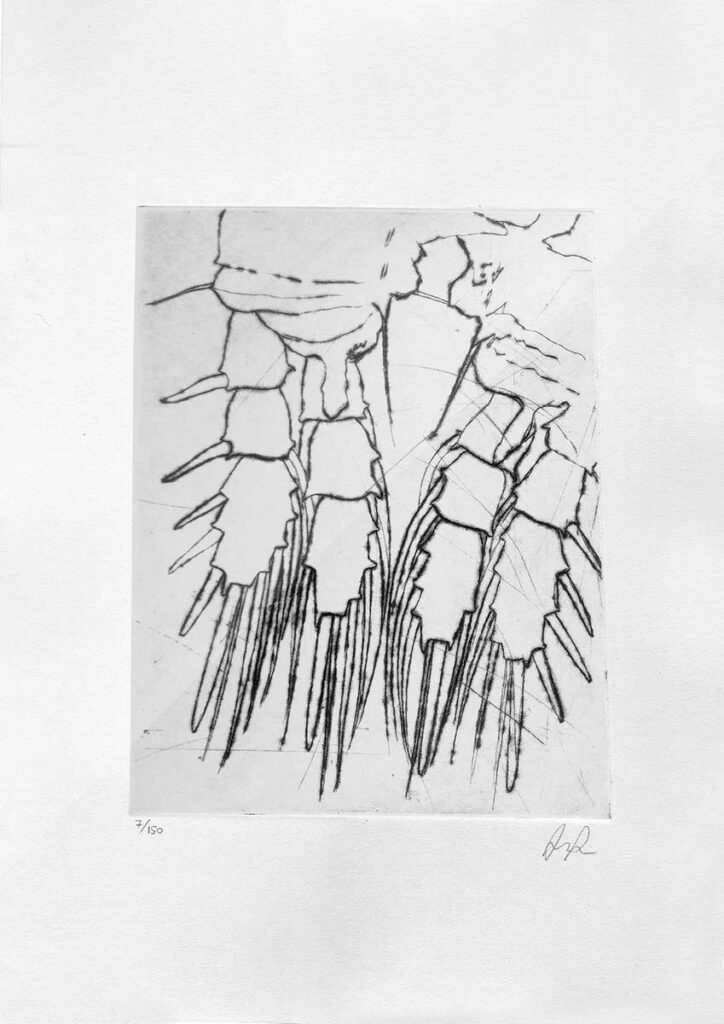
Claws
These claws are the second pair of swimming appendages of Cyclops strenuus.
Intaglio print: drypoint etching on an aluminum plate, printed on 285 gsm Rosaspina ivory paper.
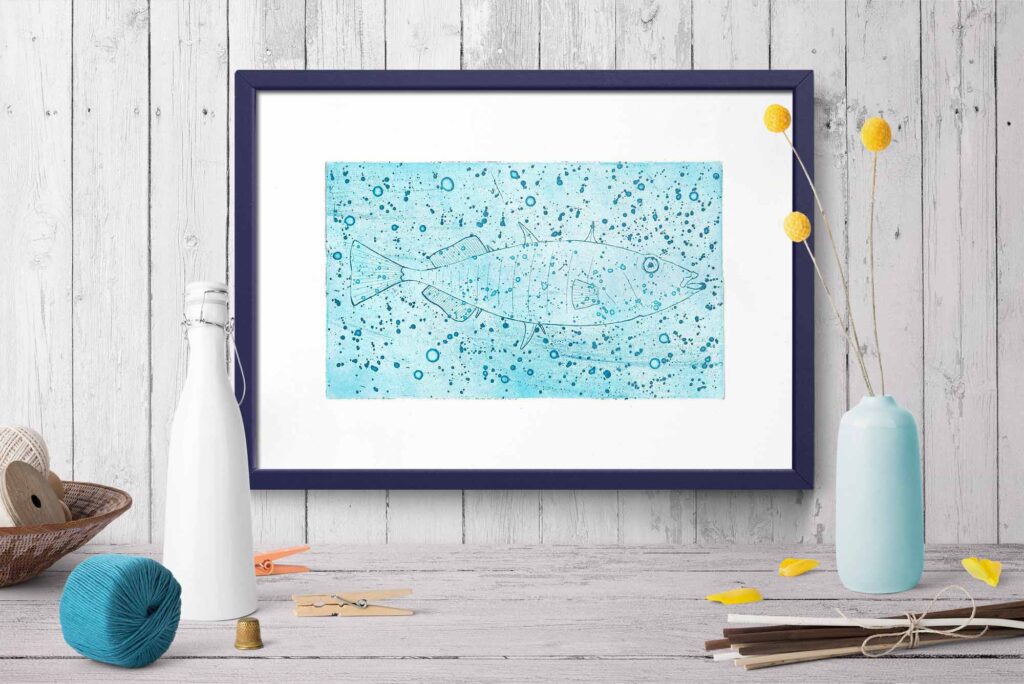
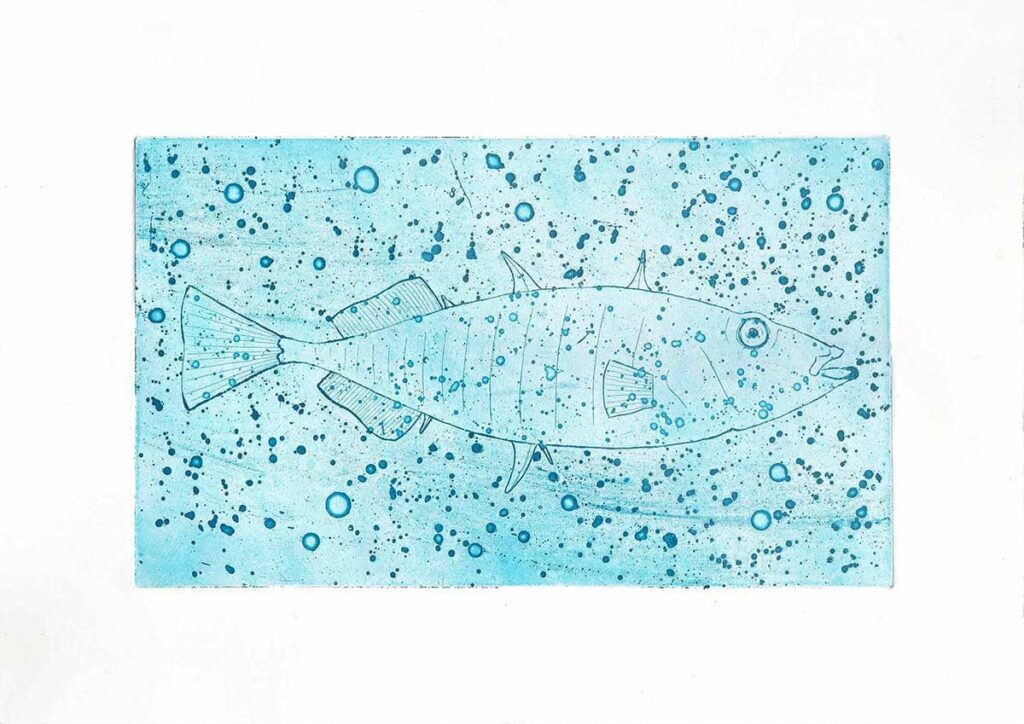
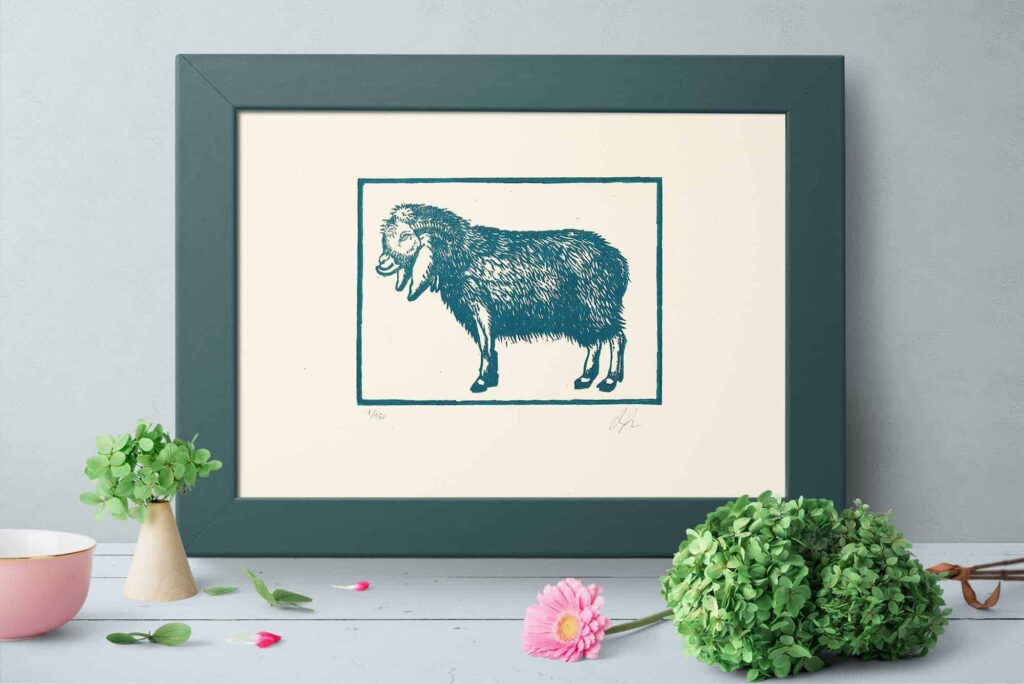
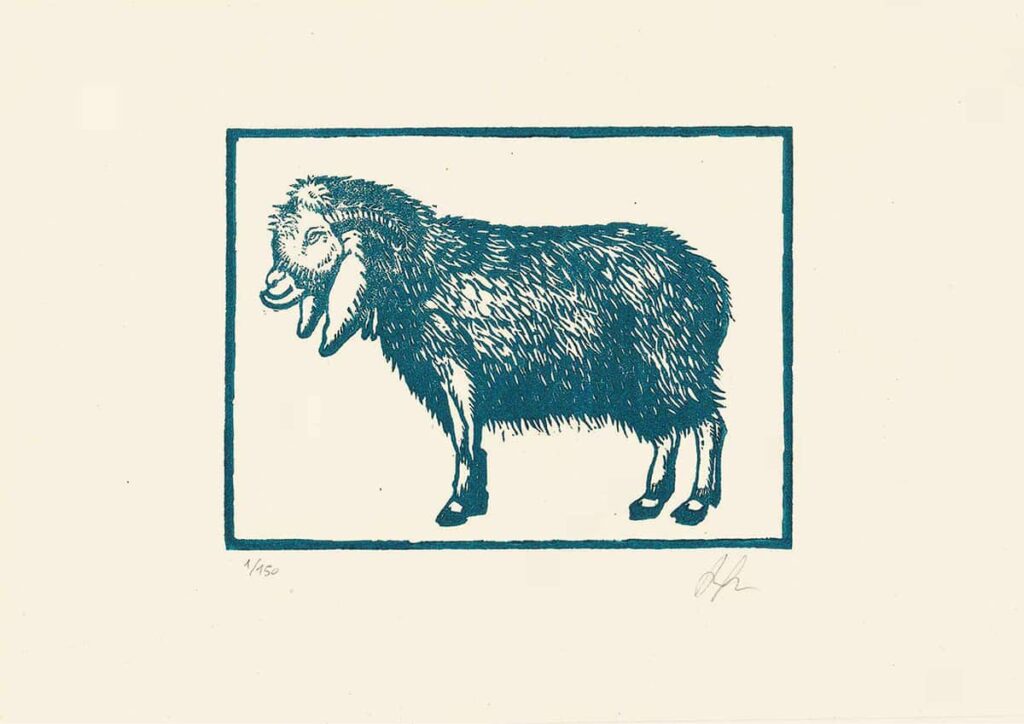
Goat
The goat is taken from a woodcut illustration from Historiae animalium by Conrad Gesner, an encyclopedic work — “a Renaissance inventory of zoology” — published in Zurich between 1551 and 1558, which sought to build a connection between ancient knowledge of the animal world and modern science.
Linocut print made with a vertical press on 200 gsm Favini Rismacqua ivory paper using intaglio ink.
Paper size: 11.69 × 8.27 inches (A4)
Image size: 4.72 × 6.30 inches
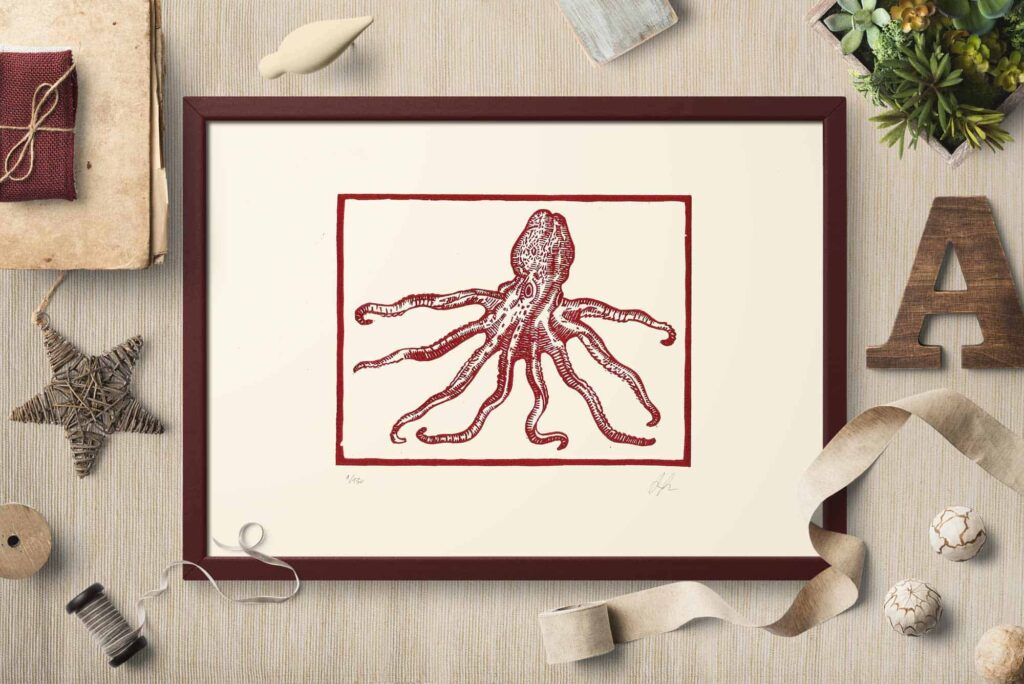
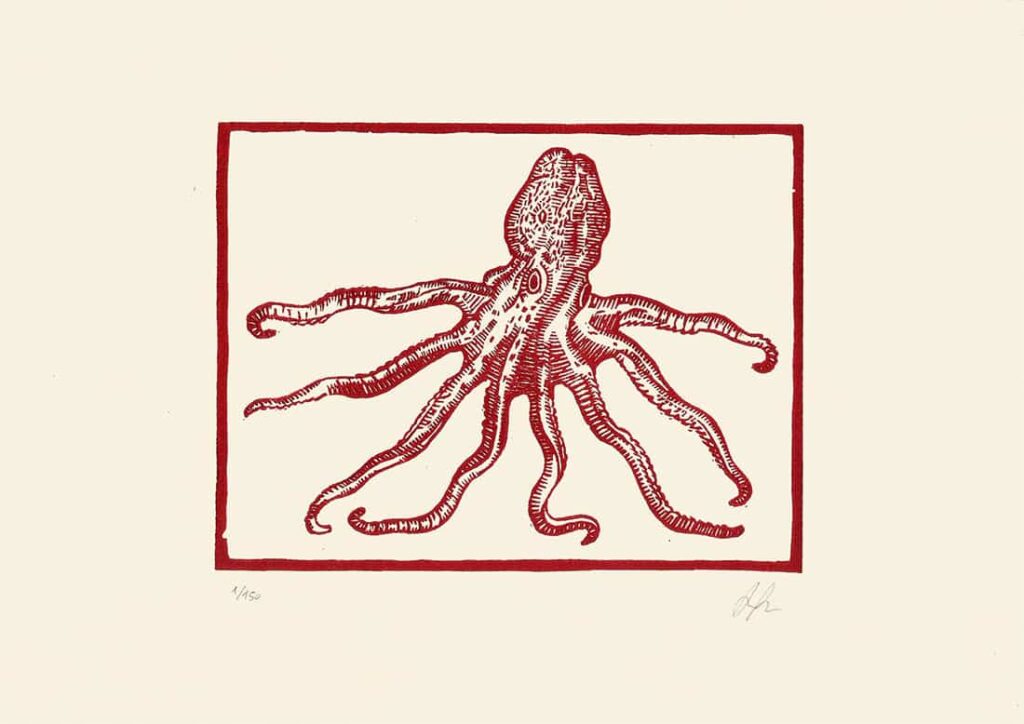
Octopus
The octopus is taken from a woodcut illustration from Historiae animalium by Conrad Gesner, an encyclopedic work — “a Renaissance inventory of zoology” — published in Zurich between 1551 and 1558, which sought to build a connection between ancient knowledge of the animal world and modern science.